Austrian Gastronomy Standard • Codex Alimentarius

The Art & Craft of Authentic Wiener Schnitzel

Gossamer-thin veal, an undulating souffléed crust, and golden clarified butter.

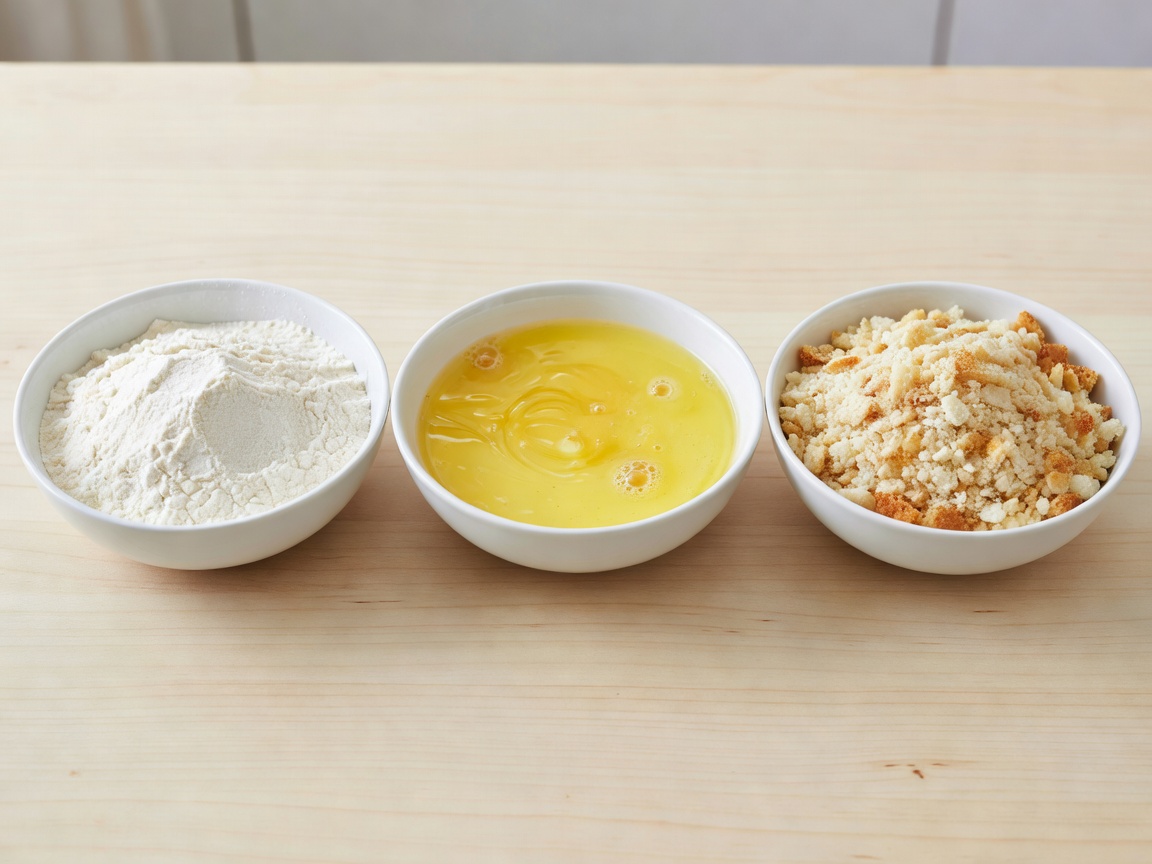
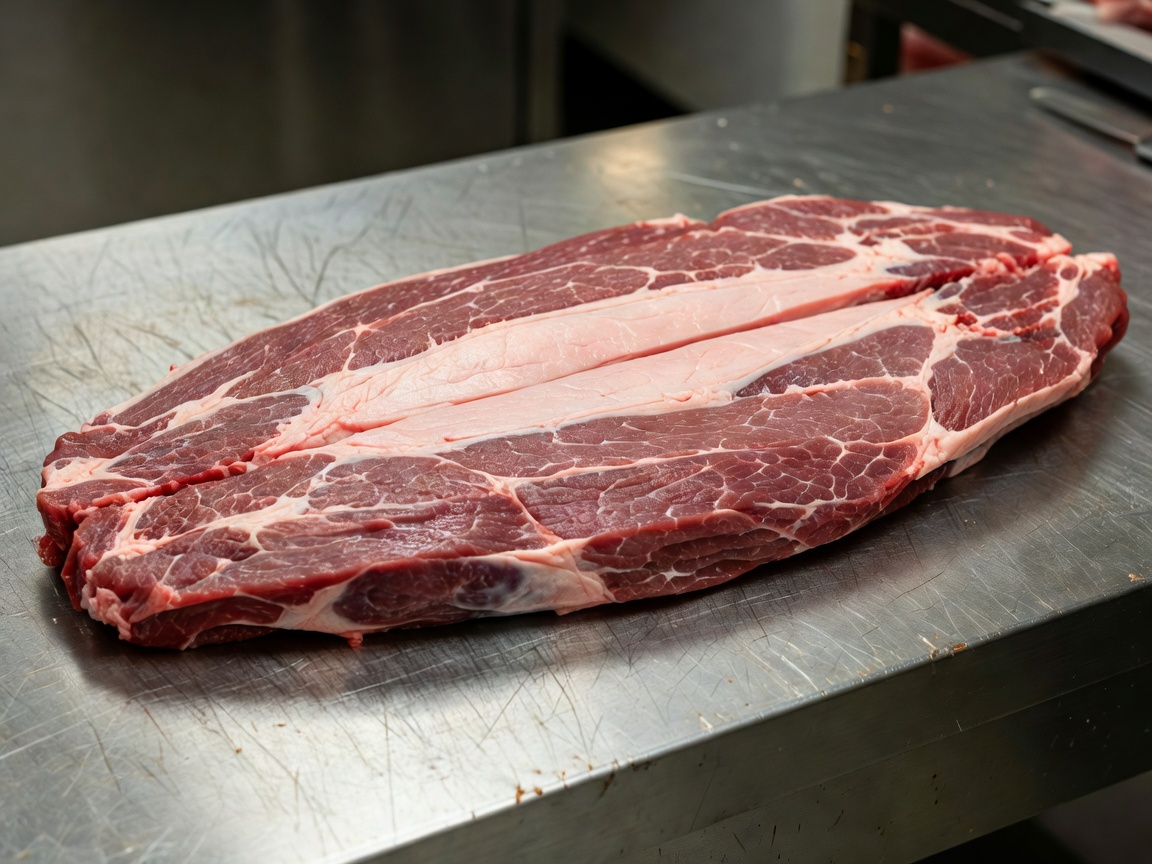
According to Austrian food law and imperial gastronomic canon, an authentic Wiener Schnitzel must be prepared exclusively from milk-fed veal. Explore the physical mechanics, precise frying temperatures, and loose three-stage breading protocol required to create Vienna's definitive culinary masterpiece.

Mandate 100% Veal
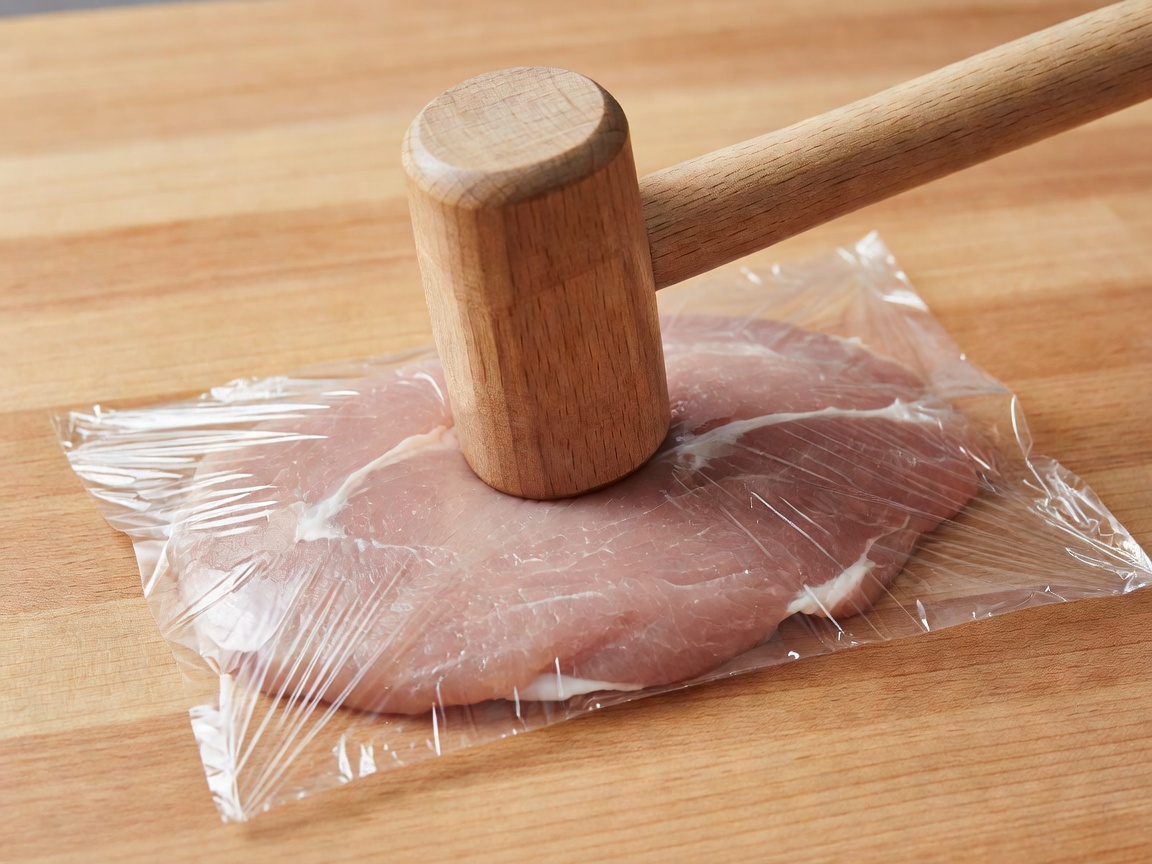
Caliber 3–4 mm
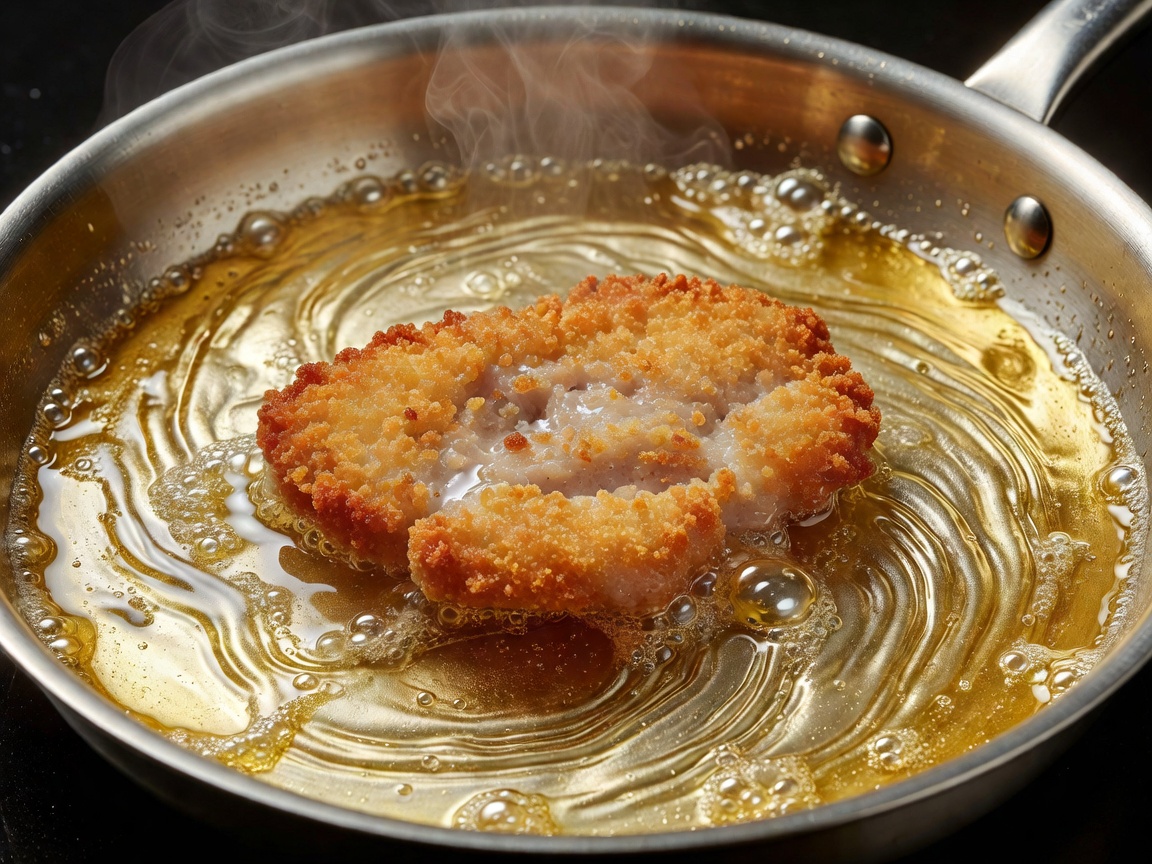
Fat Temp 175°C (347°F)
Crust Style Soufflieren
Imperial Standard
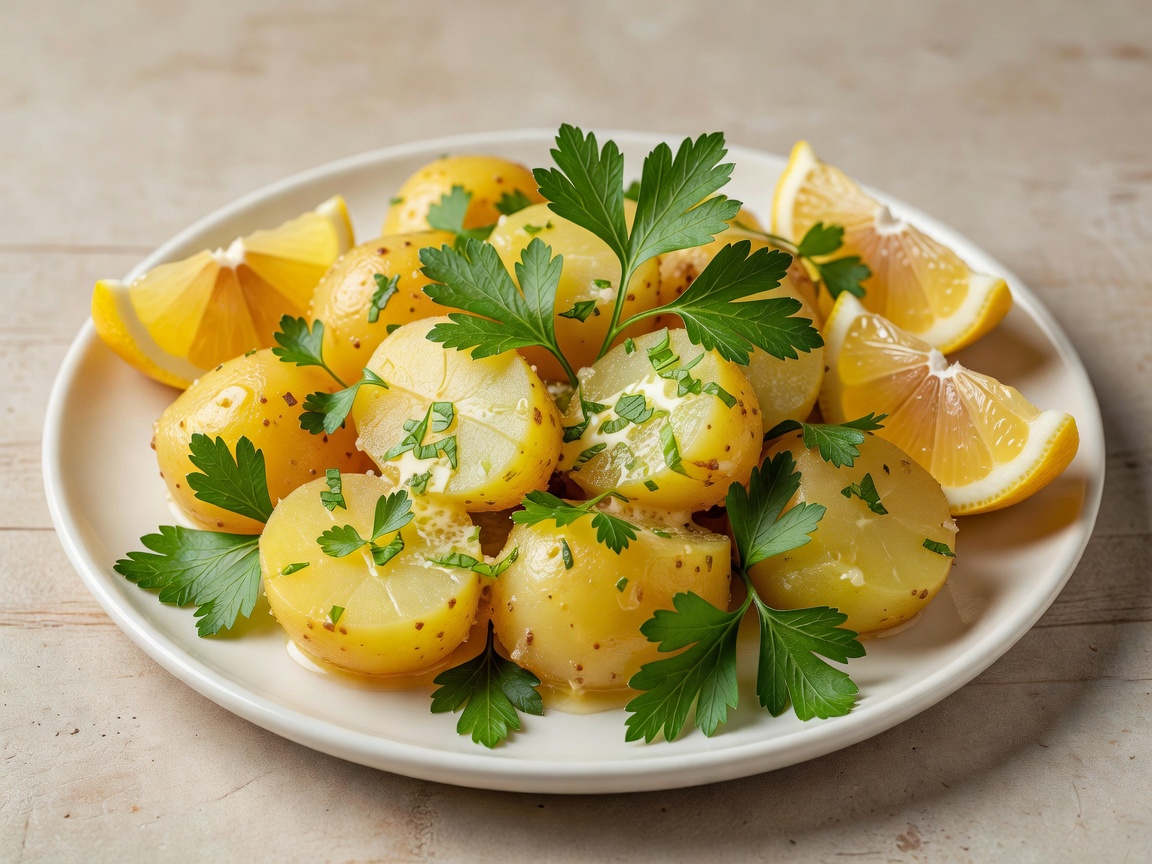
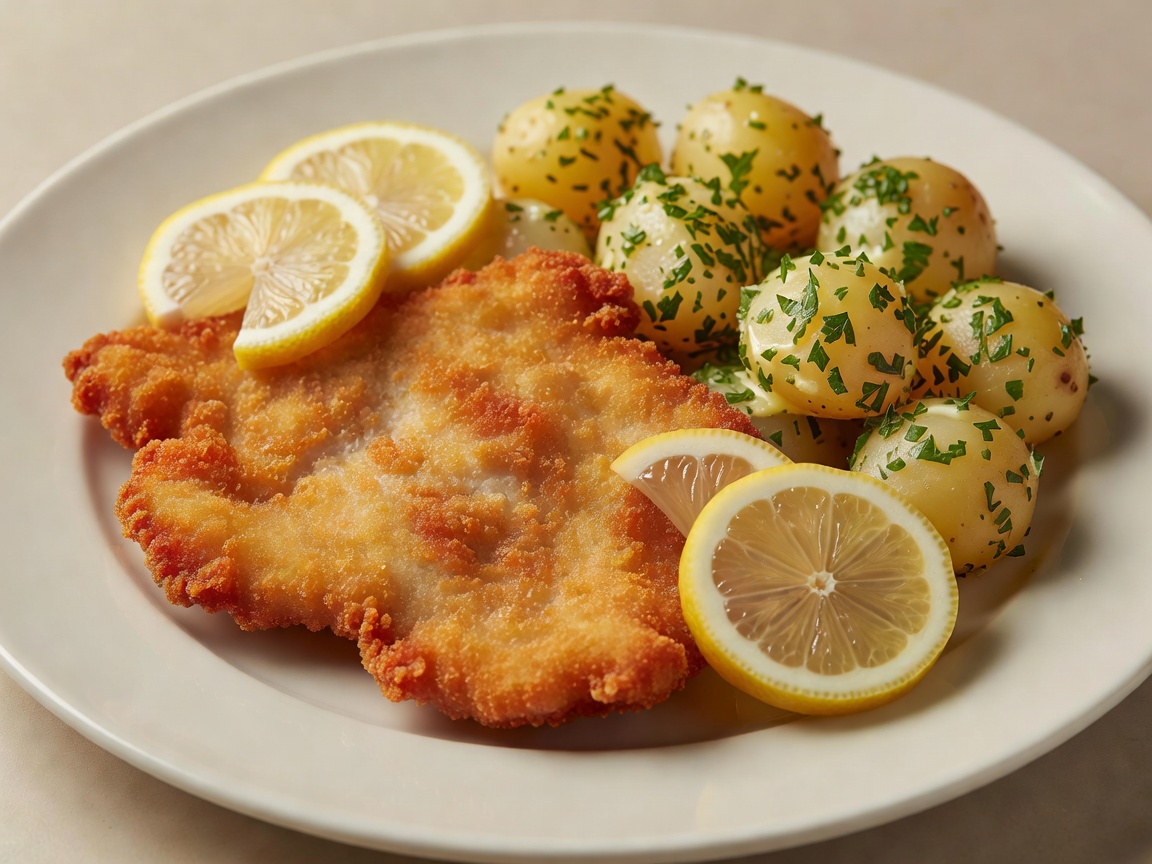
Golden brown Wiener Schnitzel plated with fresh lemon slices and parsley potatoes
Traditional Viennese presentation: billowing golden crust, lemon crown, and buttered parsley potatoes.

Essential Preparation Steps

Follow our comprehensive culinary documentation covering the five foundational stages of crafting traditional Wiener Schnitzel at home.

Principles of Austrian Gastronomy

Preserving authenticity through strict culinary standards and high-grade regional ingredients.

Legal Protection

In Austria and Germany, any menu entry reading solely Wiener Schnitzel must be 100% veal. Pork iterations must legally be labelled as Schnitzel Wiener Art (Viennese style).

The Soufflé Effect

Moisture inside the meat turns instantaneously to steam in the hot fat, expanding and pushing the unpressed coating outward, yielding a delicate, wavy golden crust.

Choice of Fat

Traditionalists strictly mandate clarified butter (Butterschmalz) or high-grade pork lard. These fats possess high smoke points while imparting deep, nutty undertones.